
Disc skimming can save money, but only when the conditions are right. Here’s how to decide.
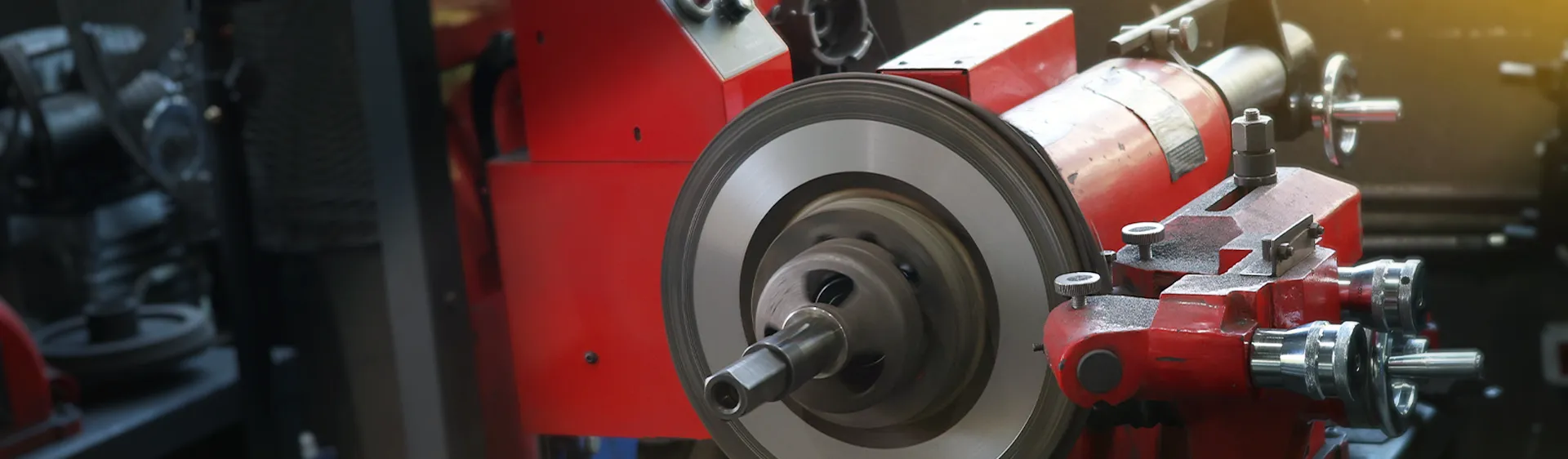
Brake disc skimming (also called machining or resurfacing) removes a thin layer from the disc surface to eliminate imperfections. It can extend disc life and restore smooth braking — but it’s not always the right call.
1. When Skimming Makes Sense
Skimming is a good option when your discs have minor surface scoring (grooves from worn pads), light warping that causes pulsation in the brake pedal, or uneven wear from a sticking caliper that has been repaired. In these cases, skimming restores a smooth, flat surface and gives you a like-new braking feel at a fraction of the replacement cost.
2. When You Should Replace Instead
Every disc has a minimum thickness stamped on it. If skimming would take the disc below that minimum, replacement is the only safe option. Discs that are deeply cracked, heavily corroded through, or have been skimmed before and are already near minimum thickness must be replaced. Running a disc below minimum thickness means it can’t absorb and dissipate heat properly — this leads to brake fade and, in extreme cases, disc failure.
3. How to Know Which You Need
At Round One, we measure disc thickness before any recommendation. If there’s enough material above the minimum, we’ll suggest skimming. If not, we’ll recommend replacement. You’ll see the measurement and understand the decision — no guesswork.