
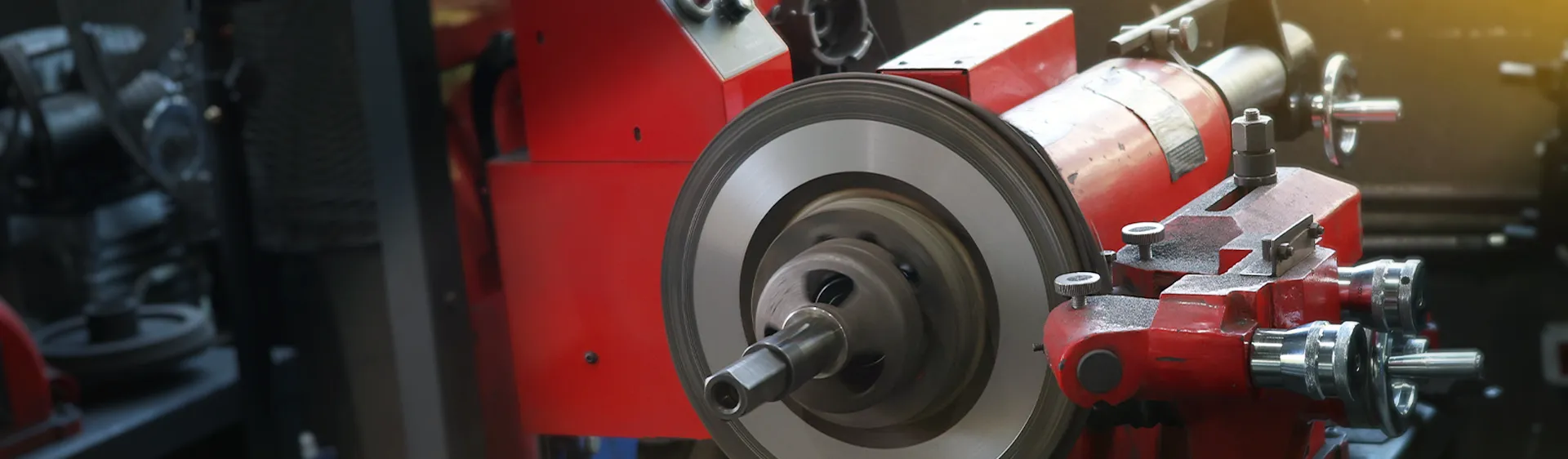
What squeaking or grinding brakes can mean, and when to get them checked before it becomes a bigger problem.
Brakes are designed to be quiet. When they start making noise, they’re telling you something needs attention. Ignoring it always costs more later.
1. Squeaking or Squealing
A high-pitched squeal when braking usually means your brake pads are worn down to their wear indicators — small metal tabs designed to make noise when the pad material is almost gone. This is your early warning. The pads need replacing soon, but the rotors are likely still fine at this stage.
2. Grinding or Scraping
If you hear a deep grinding sound, the pad material is completely gone and metal is pressing against metal. This damages the brake rotors (discs), which are much more expensive to replace than pads alone. Grinding also reduces braking power significantly — this is a safety issue, not just a cost issue.
3. Intermittent Noises
Occasional light squeaking after the car sits overnight is often just surface rust on the rotors burning off — normal in humid conditions. But if the noise is consistent every time you brake, don’t wait. Have your brakes inspected.