
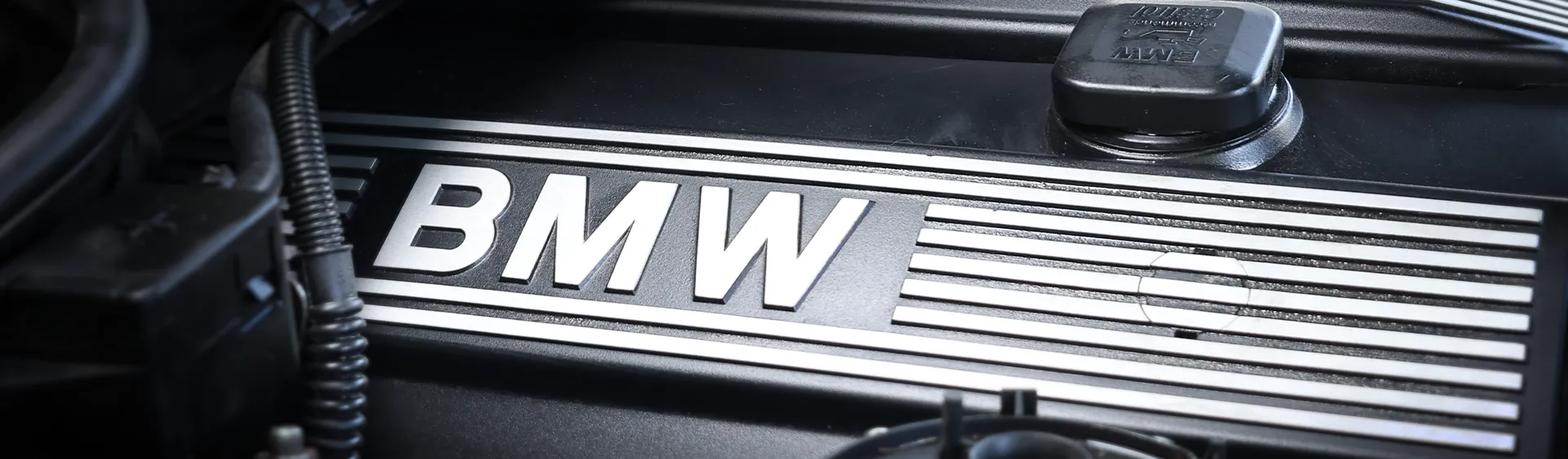
What coolant does, why it degrades, and the risks of ignoring it — especially in Lebanon’s heat.
Engine coolant (antifreeze) regulates your engine’s temperature — keeping it from overheating in summer and freezing in winter mountain conditions. Most drivers never think about it until the temperature gauge spikes.
1. What Coolant Does
Coolant circulates through the engine and radiator, absorbing heat from the engine and releasing it through the radiator. It also prevents corrosion inside the cooling system and lubricates the water pump. Without it, your engine would overheat within minutes.
2. When to Replace It
Most manufacturers recommend changing coolant every 40,000 to 60,000 km or every 2 to 3 years. Over time, coolant loses its anti-corrosive properties and becomes acidic, which can damage the radiator, water pump, and hoses from the inside.
3. Signs of Trouble
Watch for a rising temperature gauge, sweet smell from under the hood, visible puddles of green or orange fluid under the car, or the low-coolant warning light. In Lebanon’s summer heat, a failing cooling system can cause rapid engine damage. Never open the radiator cap when the engine is hot. If you spot a leak, don’t just keep topping up — coolant loss almost always points to a fault, so have the system inspected and repaired rather than masking it.