
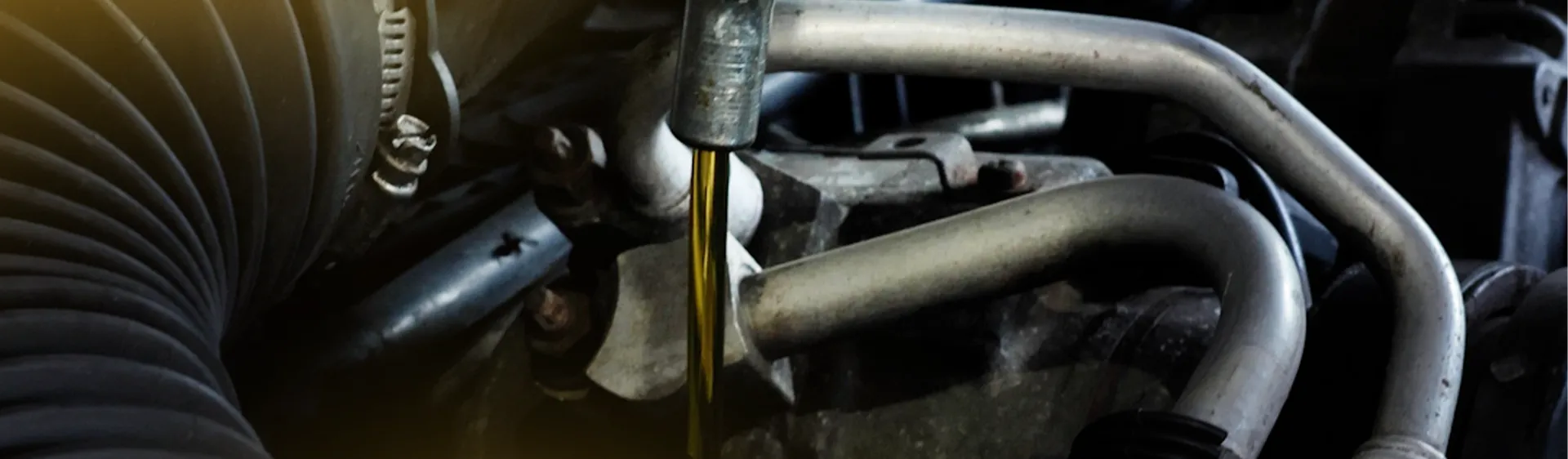
Why regular oil changes protect your engine and keep your car running smoothly.
Engine oil lubricates, cools, and cleans the moving parts inside your engine. Over time, it breaks down and loses its effectiveness. Changing it on schedule is one of the simplest and most important things you can do for your car.
1. What Happens to Oil Over Time
As oil circulates through your engine, it picks up dirt, metal particles, and combustion byproducts. It also loses viscosity — becoming thinner and less effective at protecting engine components. Old oil can’t lubricate properly, leading to increased friction, heat, and wear.
2. How Often Should You Change It?
For most cars, every 5,000 to 10,000 km, depending on the oil type and your driving conditions. If you do a lot of short trips, city driving, or drive in dusty conditions, change it more frequently. Your owner’s manual specifies the interval — we follow it.
3. Checking Your Oil at Home
You can check your oil in a couple of minutes with the engine off and the car on level ground. Pull out the dipstick, wipe it clean, reinsert it fully, then pull it out again to read the level — it should sit between the low and full marks. Topping up between services is fine, but a consistently low level can signal a leak worth getting checked. Note that some newer cars skip the dipstick altogether — they monitor oil level and condition electronically and display it on the dashboard, so check your vehicle’s menu or owner’s manual if you can’t find one under the hood.