
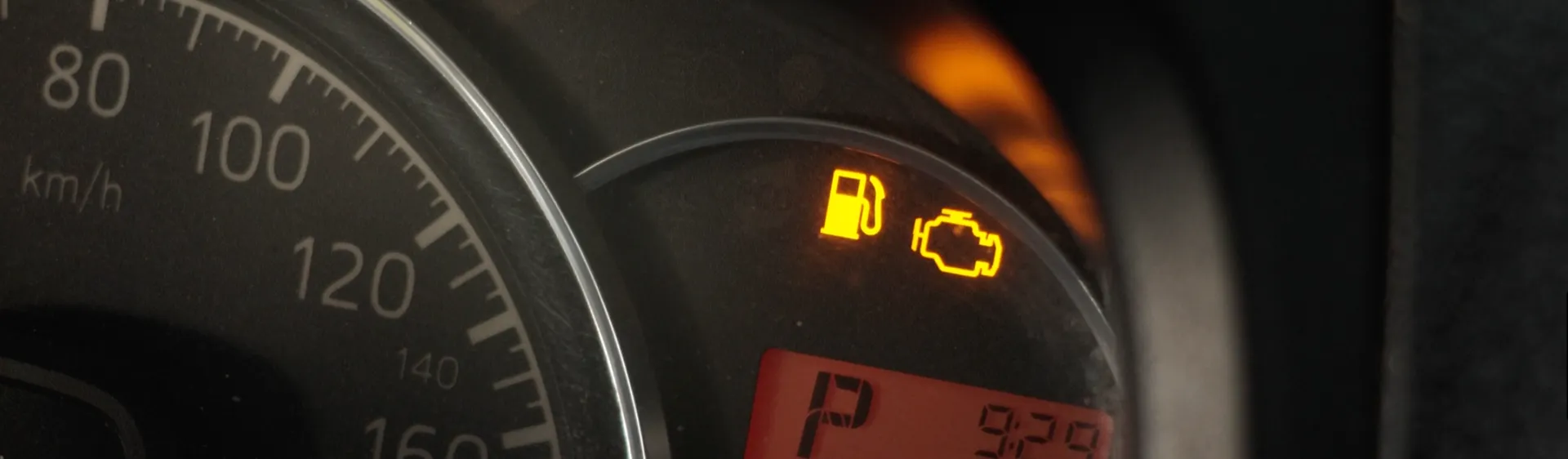
Simple driving habits and maintenance tips that reduce fuel consumption without changing your car.
Fuel prices in Lebanon fluctuate constantly. While you can’t control the price, you can control how much fuel your car uses. These five habits make a measurable difference.
1. Maintain Steady Speeds
Aggressive acceleration and hard braking burn significantly more fuel than smooth, gradual speed changes. On highways, use cruise control if available. In city traffic, anticipate stops and coast to them rather than braking at the last moment.
2. Keep Your Tires Properly Inflated
Underinflated tires increase rolling resistance, forcing your engine to work harder. Just 10% below the recommended pressure can increase fuel consumption by 2-3%. Check your tire pressure monthly — cold, in the morning — and keep it at the manufacturer’s specification.
3. Don’t Carry Unnecessary Weight
Every extra kilogram costs fuel. Clear your trunk of items you don’t need for the trip. Roof racks and boxes increase wind resistance — remove them when not in use. The difference is small per trip but adds up significantly over a year.
4. Stay on Top of Engine Maintenance
A well-maintained engine runs more efficiently. Clean air filters, fresh spark plugs, and proper oil all reduce fuel consumption. Using a quality fuel injector cleaner like Molinol Fuel Injector Cleaner every 5,000 to 10,000 km removes carbon deposits that reduce injector efficiency. For engines that benefit from higher octane, Molinol Fuel Octane Booster improves combustion quality and reduces knock — both of which help fuel economy.
5. Plan Your Routes
Avoid peak traffic hours when possible. Stop-and-go traffic is the most fuel-intensive driving condition. Combining errands into fewer trips also helps — a warm engine is more fuel-efficient than a cold one.